KEMO IPTV on IPTVX: Playlist, Sync & Device Guide
KEMO IPTV APPLICATION GUIDES · UPDATED 10 NOVEMBER 2026
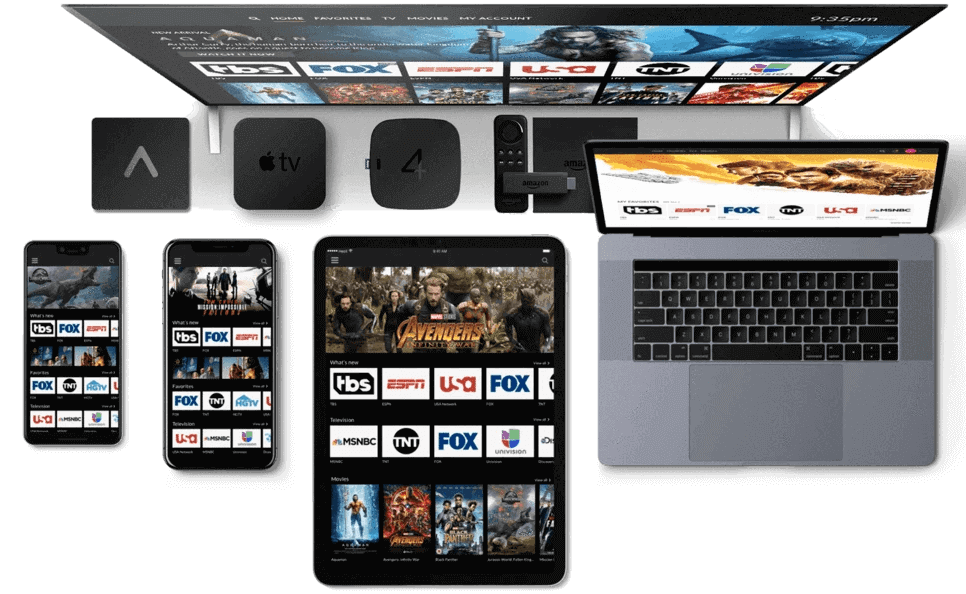
Use the verified IPTVX application
This guide covers IPTVX, the application you identified when referring to IPVX. Start by checking the developer’s official website and the store listing for your device. Similar spelling is not enough to identify the same product. KEMO IPTV access details belong to the service arrangement, while IPTVX supplies the player interface and its separately licensed features.
The developer documents Apple platforms and current Android and Fire OS distribution routes. Availability and licensing differ by platform, so check the route for the exact device you own. Do not assume that a purchase made through one store automatically activates every other installation or that a player subscription includes television content.
Separate your accounts before setup
You may encounter an application account, a store account and provider credentials during installation. Keep their roles distinct. A store receipt proves an app purchase; it does not establish that a KEMO IPTV subscription is active. Provider credentials identify the source you add to the player. Using the wrong password type can create a confusing login failure even when both purchases are valid.
Write down which device and store you used, but keep passwords in a private place. If you are setting up for another household member, explain these distinctions before leaving the application with them. This makes future renewal, app billing and playback questions easier to direct to the right support team.
Prepare the playlist or structured login
Ask KEMO IPTV which input format is supplied for your account and whether it works with your installed IPTVX version. The developer documents common formats including M3U and Xtream API. Use the format actually provided instead of inventing a conversion. If you have a server address with separate login credentials, keep those fields separate; if you have a playlist URL, preserve the complete link.
Choose a descriptive source label that does not disclose private information. A label such as KEMO IPTV Family TV is enough. Do not put the password, full activation address or order payment details into the profile name, particularly on a shared television.
Add the KEMO IPTV source
Open the application’s playlist or source creation control and select the confirmed input method. For a structured login, enter the provider server and the associated username and password. For an M3U source, supply the full playlist URL or the supported file input requested by your edition. Review the fields before completing the import.
Let the player finish organizing the source before judging the result. Artwork and category information may load separately from the first playable item. Test a confirmed live source and, if included, one library item. Keep any explicit import error because it is more useful for troubleshooting than a general description that the screen looks empty.
Check the interface on your device
A television interface and a handheld interface have different navigation constraints. On Apple TV or another supported television device, verify that you can move through categories with the remote, start playback and return to the previous screen. On a phone or tablet, check the same route with touch controls. Do not assume every platform displays the same button in the same position.
Start with a small favorites collection and a few known items. Large catalogs are easier to understand after you have established a dependable route to everyday content. If search results are unexpected, inspect the selected source and content category before assuming the provider has removed the item.
Understand synchronization before relying on it
IPTVX documents synchronization features, but you should check what your particular platform and account arrangement actually share. Test with one harmless preference before assuming that every source, favorite or playback position is available on another device. Keep both devices under your control while you verify the result and avoid exposing credentials on shared equipment.
Synchronization is not an increase in the provider’s simultaneous connection allowance. A profile appearing on several devices does not mean all of them may stream together. Ask KEMO IPTV about the permitted viewing arrangement, especially if a household uses a television and a phone at the same time.
Guide data, tracks and picture quality
Where a program guide is available, compare its schedule with the device clock and the source you selected. Missing guide data does not necessarily mean that live playback is unavailable. If your configuration requires a separate EPG address, use the confirmed information rather than an address taken from another account or an unrelated tutorial.
For audio or subtitles, inspect the tracks offered by the current item. A language choice can only work when a suitable track is supplied. Resolution also depends on the source and hardware. A premium-looking library screen or high-resolution display does not guarantee that each stream is delivered in the same format.
Casting and multiple screens
The developer documents features such as AirPlay and picture-in-picture on supported configurations. Treat each as a separate workflow to test after ordinary playback works. First establish that the original device can play the selected source, then follow the platform’s receiving-device instructions. Keep the app version and receiver model available if the handoff fails.
Do not confuse a display feature with a service entitlement. Several visible windows or a background stream can create additional activity. Confirm connection rules before using simultaneous playback, and close the previous stream when changing devices if your account allows only one. A successful cast is not evidence that unlimited screens are authorized.
Troubleshoot by isolating the stage
If a source will not import, verify the input type and supplied fields. If the library imports but playback fails, test another included item and check whether other devices are already using the account. If only one item fails, report the title or channel and the time rather than rebuilding every playlist. Keep the original profile until a replacement has been tested.
When a problem occurs only in IPTVX, prepare a device-specific report: operating system, app version, source type and visible error. The developer recommends distinguishing source problems from player-specific behavior. Do not post credentials publicly or share private playlist links in a review. A short redacted description is safer and easier to understand.
IPTVX questions and choosing your next step
Does IPTVX provide the KEMO IPTV server? No: obtain provider details through the confirmed service process. Does a store subscription include channels? The developer describes IPTVX as player software without included content. Can every feature be expected on every platform? Check the current documentation for your exact device rather than assuming complete feature parity.
For service activation or package questions, use the KEMO IPTV contact route. For app licensing, use the publisher or store that handled the purchase. Compare the GSE and Smarters guides if you are evaluating another interface, and return to the central apps hub for all available setup articles.
Publisher information and guide scope
Publisher reference: IPTVX official information. App features, distribution and menu labels can change. This is independent KEMO IPTV setup guidance, not a claim of endorsement by the application developer. Confirm the source format available for your own subscription and use only authorized content.